

Our Lemonade Culture
A personal account of corporate exit, cultural drift, and the search for meaning

Thursday will mark the two-year anniversary of my leaving the corporate world for what I imagined were the greener pastures of writing. In that time, I’ve learned that one cannot make a career in writing from nothing, and that simply doing something a lot does not magically confer the title. I’ve written an unfinished book, published a few short novellas on the internet and gotten into a great Substack routine, but in truth, I’m not the sort of person to hit the streets and bang a gong until someone notices me. I never have been.
I’ve always been the one who waits for the smaller conversation, down at table, where I can offer a joke or some quick little flare of wit that convinces someone—briefly—to want more.
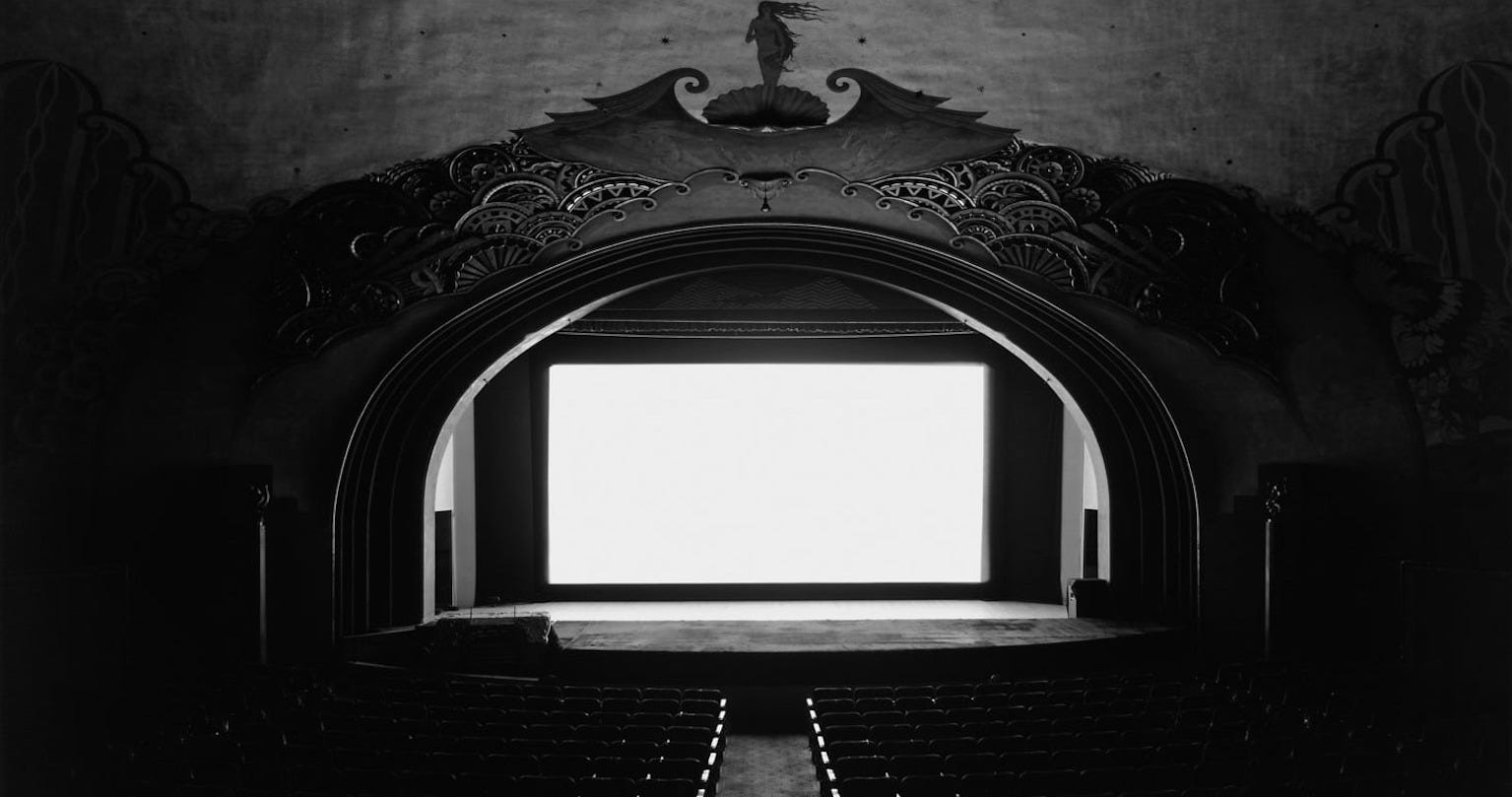
It’s a hard life for people like me in this era where identity has been converted into a commodity, and even something as benign as a morning routine can be packaged, monetized, and sold as aspiration. The last decade saw us shed the shabby charm of the computer-café society for the supposed freedom of the gig economy. But once companies discovered the lengths to which people would go merely to stave off bankruptcy, the gig atomized into something even thinner: the micro-commodification of time and attention, until even the margins of our lives were optimized for harvest.
We wake each morning in a fresher hell than the day before. The language of advertising—slick, insinuating, omnipresent—has lodged itself into the void inside us and declared itself meaning. Fulfillment has become more important, more loudly insisted upon, than the quality of our souls.
Around the age of twenty-six or twenty-seven, I grew restless with the prospect of life passing me by without any sense of authorship on my part. I was beholden to a large conglomerate for the roof over my head and the ability to meet basic civic obligations, and yet I did not feel part of anything. So at twenty-eight, I convinced myself to dive headlong into a nascent industry my immediate experience insisted was “next.” It was not.
Ecommerce aggregators turned out to be a woefully inadequate sector whose entire fate depended on the whims of shadowy platforms. I spent three years reconciling that mistake—making lemons out of lemonade, then trying to make something drinkable from the residue.
But on December 4th, 2023, the lemonade stand was over, and I was bare. Exposed. Whatever cultural scaffolding I had encoded within myself no longer aligned with the society around me, and I could no longer pretend the path I was on led toward anything I recognized. Liberty, justice, equality—those supposedly foundational pillars of American civic life—have come to feel infrequent, almost spectral, glimpsed only out of the corner of the mind.

This problem, I’ve realized, like my employment history, is rooted in platforms. X.com, Amazon, TikTok, Instagram. The hidden machinery of their power distorts and warps the very language we use, fracturing the culture into mutually unintelligible dialects.
I cannot reconcile my view of America with half the country because half the country is working from a completely different definition of what America means. Meanwhile, the ruling class—operating through algorithms and data centers—pricks us with a thousand tiny cuts in the form of eight-second videos that chip away at whatever intact notion of self we might have had, replacing it with something synthetic and frictionless.
We cannot reconcile our desires when we cannot assemble a shared image of our own history. We cannot see the hand that rocks the cradle because we are too busy sleeping. Put simply, the English language—American culture, really—has splintered into millions of microcosms, diffusing meaning until it becomes meaningless. Freedom dissolves into infinitesimal variations, each one loudly defended and mutually exclusive.
Freedom from billionaires. Freedom from poverty.
Freedom from colonizers. Freedom from savages.
Freedom from procedure. Freedom from dissent.
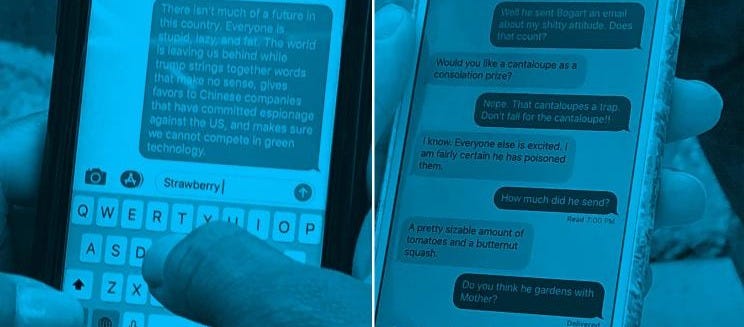
We remember the Roman Empire—the armies, the peace, the roads, the cities—as if those glories simply appeared, fully formed. But we forget that it was the republic that built the civilization. The empire did not conquer the Mediterranean so much as it held the pieces together when cohesion had already begun to slip. Culture did that first. Symbols did that first. And the symbols outlasted their makers.
We also forget that slaves and second-class taxpayers outnumbered Rome’s six million citizens seven to one. Yet we inherit this strangely unexamined idea that ten percent of people owning half the wealth is a prerequisite for order and freedom simply because that’s “how it’s always been”—or, at least, because someone has been very good at telling us that’s what order and freedom mean.
And here’s the part philosophers haven’t quite parsed: the precondition of power—of society, of culture—is symbols. What makes us human is our ability to encode and decode them. What we are terrible at is retracing where those symbols came from, what purposes they once served, and why they persist long after their original utility has evaporated.
Take Christianity. No one would be celebrating Christmas this year if not for a handful of Roman patricians in the late second century who decided that its morality and ritualism held greater unifying power than their fading state pantheon. The Roman civic religion had lost its ability to bind the people; Christianity, with its liturgies and moral scaffolding, offered a more cohesive symbolic operating system. Whatever else the Bible may be—literature, cosmology, spiritual guide—it also functioned, quite effectively, as an instruction manual in obedience.
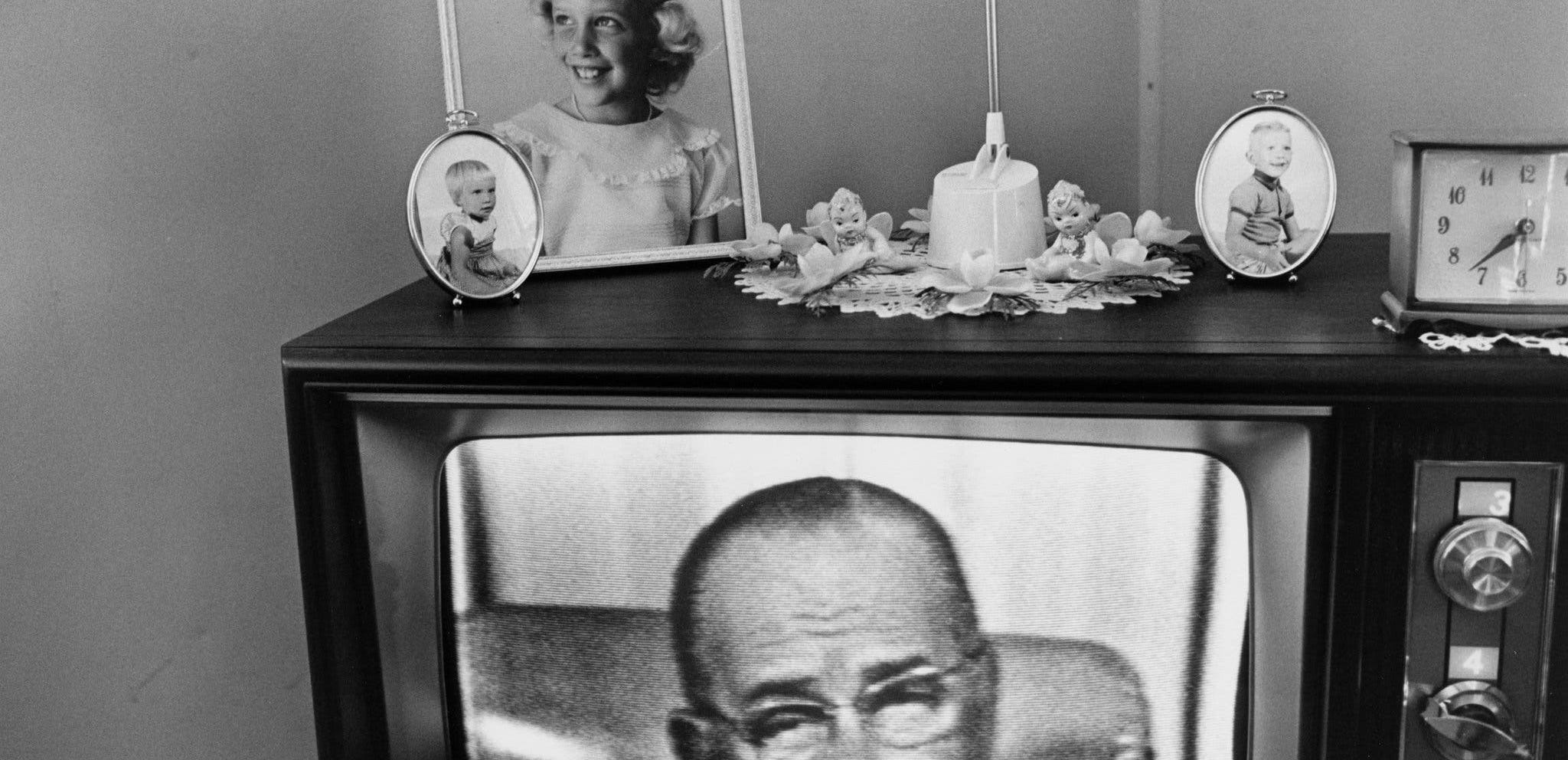
Free will—theoretically the closest we get to freedom—is our choice in interpreting the symbols we inherit. To decide, even briefly, that a meaning handed down to us no longer fits the life we are trying to live. Consciousness is simply the moment we notice that shift; the flicker of recognition that a symbol has changed, or that we have.
Love, I suspect, is the first and most powerful example of this: the sudden coherence between the inner life and the outer world, the feeling that something matters before you can articulate why.
And maybe it’s in the name of love—love of people, of stability, of legibility—that we surrender our agency so easily. We want to remain intelligible to those around us, all of us struggling through the same modern fog, even if it takes 3,600 hours of doomscrolling to arrive at a meaning we believe we share.
This isn’t a critique of Christians or doomscrollers. It’s a critique of all of us, for allowing our symbols to be rewritten without asking who’s doing the writing—or why we’re so willing to let them.